
Indoor air quality
Indoor Air Quality Services in the Hudson Valley and Capital Region
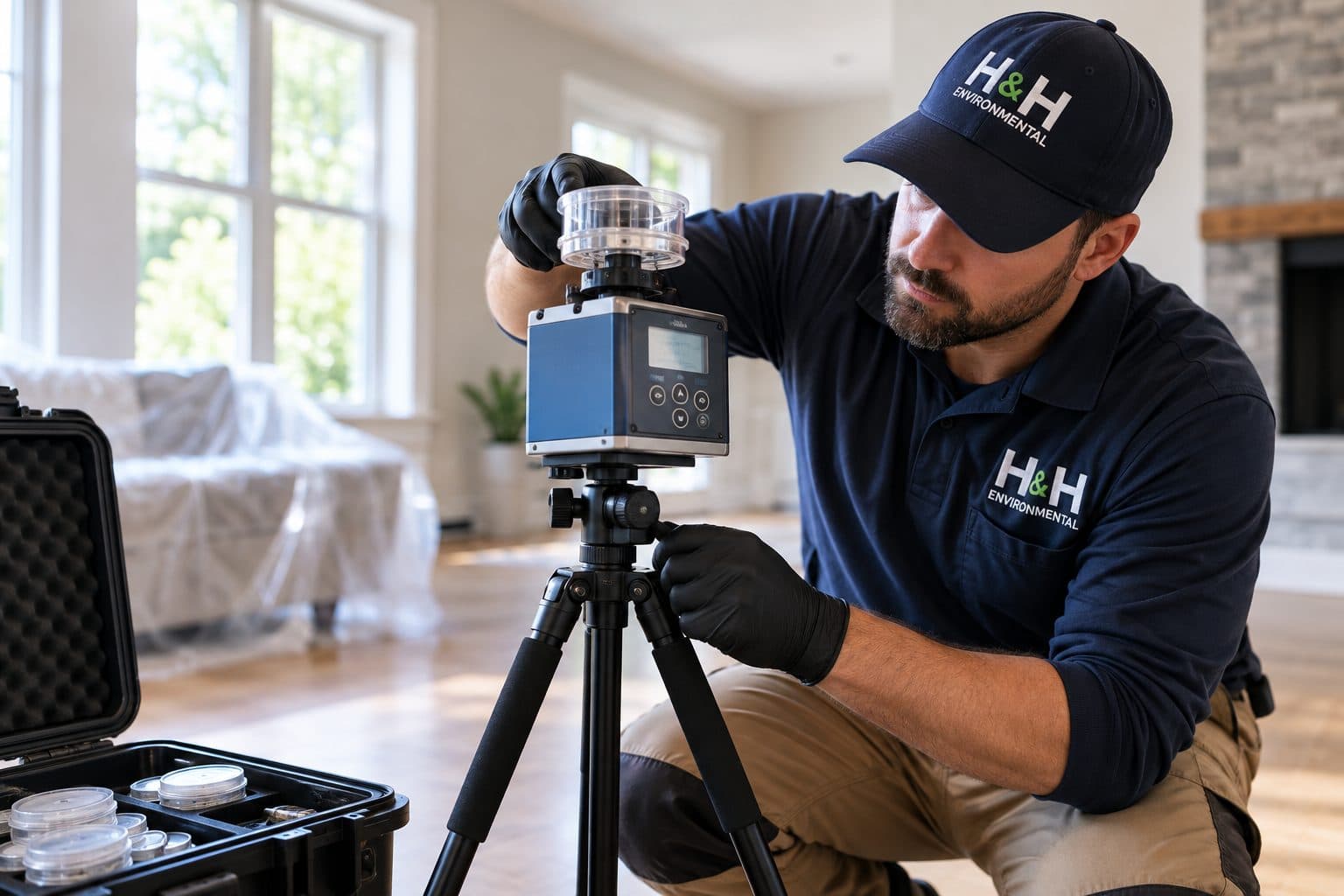
H&H Environmental provides indoor air quality services: testing, sampling, inspection, laboratory analysis, consultation, and air-purification-related services. Call and tell us what you are concerned about and where the property is, and we will confirm availability.
These services are not medical services, and this page is general information.
What H&H provides
These are the indoor air quality services H&H provides.
- Testing
- Sampling
- Inspection
- Laboratory analysis
- Consultation
- Air-purification-related services
Call and tell us what you are concerned about and where the property is, and we will confirm availability.
Where indoor air problems come from
Sources inside the building
EPA lists fuel-burning combustion appliances, tobacco products, building materials and furnishings, cleaning and hobby products, heating and cooling systems, humidifiers and excess moisture among the common sources of indoor air pollutants (EPA).
Appliances and products
EPA says unvented or malfunctioning appliances, and improperly used products, can release higher and sometimes dangerous levels of pollutants indoors (EPA).
Outside and ventilation
Outdoor sources such as radon, pesticides and outdoor air pollution can also affect indoor air, and EPA notes that inadequate ventilation can let pollutant levels rise (EPA).
What EPA says improves indoor air
This is EPA’s general guidance. It is not a description of what H&H’s services involve.
Source control
EPA says that usually the most effective way to improve indoor air quality is to eliminate individual sources of pollution, and that for most indoor air quality problems in the home, source control is the most effective solution (EPA).
Ventilation
Bringing in more outdoor air dilutes indoor pollutants. EPA lists opening windows and doors and running exhaust fans or mechanical systems, and advises caution where nearby outdoor sources, such as smoke or refuse, may add pollutants (EPA).
Air cleaners
EPA says how well an air cleaner works depends on how well it captures pollutants and how much air it moves. Some units remove particles well, but most table-top models do not, and air cleaners are generally not designed to remove gaseous pollutants (EPA).
If someone in the household has symptoms
What EPA lists
EPA lists eye, nose and throat irritation, headaches, dizziness and fatigue among the immediate effects of indoor air pollutants, and says the effects can include worsened asthma symptoms (EPA).
Notice the pattern
EPA suggests noting when and where symptoms occur, and says that if symptoms fade when a person leaves an area, indoor sources should be investigated (EPA).
Talk to a healthcare professional
Talk with a healthcare professional about symptoms. H&H’s indoor air quality services are not medical services.
This page is general information. It is not medical advice, and no air quality service can promise a health outcome.
Air and moisture after water damage
Humidity
EPA suggests keeping indoor humidity below 60 percent, ideally between 30 and 50 percent (EPA).
Generators
If the power is out, never run a fuel-powered generator inside a home or garage. EPA says to keep generators outside and at least 20 feet from buildings (EPA).
Ducts that were underwater
Do not run the furnace blower or central air if the ducts were underwater. Have a professional inspect heating and ventilation systems first (NYS Department of Health).
H&H’s water damage restoration deals with the water, and mold services covers mold assessment and mold remediation.
Indoor air quality guides
General information from EPA, explained plainly. It does not replace calling us about your property.
Frequently asked questions
What indoor air quality services does H&H provide?
Testing, sampling, inspection, laboratory analysis, consultation, and air-purification-related services. Call and tell us what you are concerned about.
What is the most effective way to improve indoor air quality?
EPA says that usually the most effective way is to eliminate individual sources of pollution (EPA), and that for most indoor air quality problems in the home, source control is the most effective solution.
Do air purifiers fix indoor air problems?
It depends. EPA says some air cleaners remove particles well but most table-top models do not, and that they are generally not designed to remove gaseous pollutants (EPA).
Where do indoor air pollutants come from?
EPA lists combustion appliances, tobacco products, building materials and furnishings, cleaning and hobby products, heating and cooling systems, humidifiers and excess moisture, along with outdoor sources such as radon and outdoor air pollution (EPA).
Is carbon monoxide a concern after a storm?
It can be if a fuel-powered generator is used indoors. EPA says never to run one inside a home or garage, and to keep it outside and at least 20 feet from buildings (EPA).
Sources
The safety, health and local statements above come from these public sources. This article summarizes them in its own words, so follow the links for the full guidance.
U.S. Environmental Protection Agency
- Introduction to Indoor Air Quality
Common sources of indoor air pollutants; unvented or malfunctioning appliances; ventilation; immediate effects and the pattern of symptoms. · read October 22, 2026
- Improving Indoor Air Quality
Source control, ventilation and air cleaners, and what each can and cannot do. · read October 22, 2026
- A Brief Guide to Mold, Moisture and Your Home
Why moisture control is mold control; the 24–48 hour window; fixing the water problem; sampling, hidden mold, small and large cleanups, hiring a contractor, when a cleanup is finished. · read October 22, 2026
- Flood Cleanup to Protect Indoor Air and Your Health
Sorting materials, drying a flooded home, moisture meters, how long drying takes, when to get professional help. · read October 7, 2026
New York State Department of Health
- Flood Cleanup and Home Repair
Standing water, protective gear, what to discard and what can usually be saved, documentation for insurance. · read October 7, 2026
Related help from H&H
H&H focuses on these counties: Ulster, Dutchess, Orange, Columbia, Albany, Saratoga, Fulton, Greene. Call and tell us where the property is, and we will confirm availability.