Importance of Indoor Air Quality Testing: Upper East Side

 Indoor air pollution is today one of the largest environmental issues facing commercial buildings in Manhattan, New York City and across the United States. No one is immune to the short and long-term effects of indoor air contaminants.
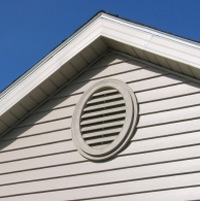 Attic ventilation is critical to maintaining even attic temperatures throughout the year. In the summer, proper ventilation vents excess heat. In the winter, it prevents the buildup of excess moisture and accumulation of water condensation.
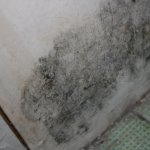 Both mildew and black mold have similar properties, but they are very different. For example, both black mold and mildew thrive in wet environments and can grow on most surfaces. Both are a type of fungus and thrive in cool and damp areas.
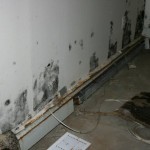 Black Mold, also known as Stachybotrys Chartarum, is a greenish-black fungus that grows well in materials with a high cellulose content. In homes, that includes drywall, carpet, wallpaper, ceiling tiles, flooring and more. Water damage, flooding and a dark, moist environment can create the conditions that allow mold and fungus to grow.
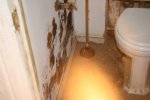 Mold spores are everywhere, including your home. To grown and thrive, mold spores need water, air, the right temperature, and food.