
Toxic Mold – A Household Mold Health Primer
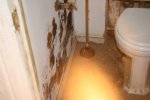 Mold spores are everywhere, including your home. To grown and thrive, mold spores need water, air, the right temperature, and food.
Unfortunately, common household problems may create these optimal conditions for mold growth – and can turn your home into a literal Petri dish. Leaks, structural damage, flooding, poor ventilation, and improperly installed insulation all create conditions that can foster mold. Basements and attics are particularly vulnerable to infestation.
When mold spores are present in sufficient quantities, they can present a health hazard. Most people have heard of so-called “black mold” (Stachybotrys chartarum or Stachybotrys atra) and the health problems it can cause. The term toxic mold refers to molds that produce mycotoxins, and not all mold that looks black is true Stachybotrys mold, but any mold in your home is bad for your health.
Those suffering from asthma or allergy, small children, infants, the elderly, and people already suffering with health problems face acute problems are more susceptible to health problems related to mold problems.
Common symptoms from mold exposure include:
- Allergies and allergic reactions
- Asthma Flare-ups
- Bronchitis
- Headaches
- Sinus Congestion
- Immune system disorders
“We’ve got mold, but just in the basement and attic. We never go there. Why should we care?”
Moisture is attracted to warmth – like the living spaces in your home. The heat incubates new growth. The same temperature you set your thermostat to is the same temperature that mold can easily grow.
Just because it’s not visible doesn’t mean it’s not harmful. Toxic mold syndrome, sometimes called sick building syndrome, can make people sick not only in homes but also in commercial buildings. Although no mold can be seen, felt or smelled, the building itself causes mold exposure symptoms.
If some mold is visible on your walls or ceiling, you can be sure that even more mold exists elsewhere out of sight. The spores might be dormant right now, but it’s important to destroy them so you don’t have problems later. If you suspect a mold problem, you should have mold inspection and testing performed by a trained and certified mold inspector.
Your home and your health will thank you!
H&H Environmental Construction and Consulting provides air quality testing and mold removal services for homes and businesses in Connecticut, Massachusetts, New Jersey, New York and Pennsylvania.